Buy gkstudio.eu ?
We are moving the project
gkstudio.eu .
Are you interested in purchasing the domain
gkstudio.eu ?
domain@kv-gmbh.de · 0541-91531010
Buy gkstudio.eu ?
What are modern architectural styles?
Modern architectural styles refer to the design principles and aesthetics that have emerged in the 20th and 21st centuries. These styles often prioritize simplicity, clean lines, and the use of modern materials such as glass, steel, and concrete. Some common modern architectural styles include Minimalism, Brutalism, and Postmodernism, each with its own unique characteristics and influences. Overall, modern architectural styles seek to break away from traditional design conventions and embrace innovation, functionality, and sustainability. **
In architectural photography, what aperture is used?
In architectural photography, a small aperture is typically used to achieve a large depth of field, ensuring that both the foreground and background of the building are in sharp focus. This is important for capturing the intricate details and overall design of the architecture. A small aperture, such as f/8 or higher, allows for a greater depth of field, making it ideal for architectural photography. **

Similar search terms for Architectural
Top-Angebote
Products related to Architectural:
-
Flos Architectural LED Pathway Light Walkstick 2, Black, Aluminium, Design, Outdoor lightsWalkstick LED path light is made of aluminum and with its double powder coating is resistant to UV rays and harmful weather conditions. The glass diffuser ensures an even distribution of light on the ground, and the luminaire head can be rotated 350°. Thanks to its discreet design, the path luminaire easily fits into different outdoor areas.527,68 £*Shipping: 4,99 £Secure redirect to the provider
-
Flos Architectural LED Pathway Light Pointbreak Bollard 2, Black, Aluminium, Design, Outdoor lightsLED pathway luminaire Pointbreak Bollard 2 is a high-quality outdoor luminaire made of aluminum and polycarbonate, which creates an asymmetrical light distribution. Its surface treatment and UV-resistant diffuser make it a robust outdoor element that can withstand weather conditions. Its warm white light is emitted downwards and is absolutely glare-free. It is installed directly on the ground.767,44 £*Shipping: 4,99 £Secure redirect to the provider
-
Flos Architectural LED Pathway Light Walkstick 2 Double, Black, Aluminium, Design, Outdoor lightsWalkstick 2 Double LED path light with its shape reminds the shape of a trunk with branches and knotholes, which have been provided with LEDs. The luminaire is made of sturdy aluminum and is ideally suited for outdoor use thanks to the IP66 protection rating and double powder coating. The two adjustable luminaire heads allow you to illuminate the location individually.627,00 £*Shipping: 4,99 £Secure redirect to the provider


-
Which architectural style?
The architectural style of a building refers to the specific design elements and characteristics that define its appearance. It can be influenced by various factors such as historical period, cultural influences, and regional traditions. Some common architectural styles include Gothic, Baroque, Neoclassical, Art Deco, and Modernist. Each style has its own unique features and aesthetic principles that contribute to the overall design of a building. The choice of architectural style for a building often reflects the preferences and values of the time period in which it was constructed. **
-
Is there a lack of roundness in architectural art?
There is no lack of roundness in architectural art. In fact, many architectural designs incorporate round shapes and forms, such as domes, arches, and circular windows. These elements add visual interest and diversity to the built environment. Additionally, modern architectural designs often experiment with curved and organic forms, further showcasing the presence of roundness in architectural art. Overall, roundness is a common and integral aspect of architectural art. **
-
What are architectural visualizations?
Architectural visualizations are digital representations of architectural designs, typically created using computer software. These visualizations can include 3D renderings, animations, and virtual reality experiences that help to convey the look and feel of a building or space before it is constructed. They are used by architects, designers, and developers to communicate their ideas to clients, investors, and other stakeholders, and to help them visualize the final product. Architectural visualizations can also be used for marketing and promotional purposes to showcase a project to potential buyers or tenants. **
-
What are architectural structures?
Architectural structures are physical constructions designed and built by architects and engineers to serve a specific purpose, such as providing shelter, support, or aesthetic appeal. These structures can include buildings, bridges, towers, and other man-made forms that are designed to withstand various forces, such as gravity, wind, and seismic activity. They are often characterized by their unique design, materials, and construction methods, and can have a significant impact on the surrounding environment and community. **

What is architectural fraud?
Architectural fraud refers to the intentional misrepresentation or deception by an architect in the design, construction, or renovation of a building. This can include falsifying documents, misrepresenting qualifications, or providing inaccurate information about the materials or methods used in the construction process. Architectural fraud can have serious consequences, including compromising the safety and integrity of a building, as well as legal and financial repercussions for the architect and their clients. It is important for clients to thoroughly vet and research architects before hiring them to ensure they are reputable and trustworthy. **
Which polarizing filter and neutral density filter do you recommend for architectural photography?
For architectural photography, I recommend a circular polarizing filter to reduce glare and reflections on glass and water surfaces, as well as to enhance the contrast and saturation of the sky and building exteriors. As for neutral density filters, I suggest a 3-stop or 6-stop ND filter to control the amount of light entering the camera, allowing for longer exposures to capture movement in the scene or to achieve a shallower depth of field in bright lighting conditions. These filters can help improve the overall quality and impact of architectural photographs. **
Top-Angebote
Products related to Architectural:
-
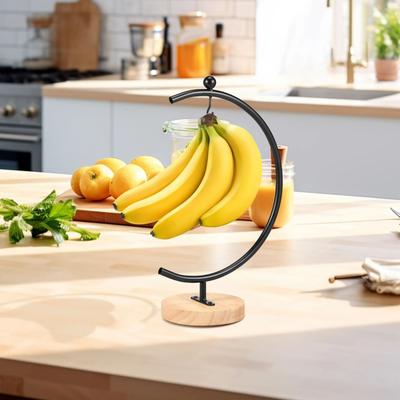
Uplift Essentials Creative Moon Shaped Architectural Banana Holder Rack blackPlacing a fresh bunch of bananas flat on your kitchen counter or tossing them inside a crowded fruit bowl is the primary cause of premature spoiling. When bananas rest directly against hard surfaces, their own weight compresses the delicate flesh...66,97 $*Shipping: 0,00 $Secure redirect to the provider
-
Uplift Essentials Instructional Surface Sculpture High Definition Graphic Architectural Wall Panel green"Synchronize your sanctuary with the highdefinition, highvibration energy of our PVC Chalkboard Wall Sticker. Featuring a sophisticated ""industrialluxe"" silhouette of rhythmic matteblack anatomy, this 200cm mural masterpiece is designed to bring a..."55,97 $*Shipping: 0,00 $Secure redirect to the provider
-
Flos Architectural LED Pathway Light Walkstick 2, Black, Aluminium, Design, Outdoor lightsWalkstick LED path light is made of aluminum and with its double powder coating is resistant to UV rays and harmful weather conditions. The glass diffuser ensures an even distribution of light on the ground, and the luminaire head can be rotated 350°. Thanks to its discreet design, the path luminaire easily fits into different outdoor areas.527,68 £*Shipping: 4,99 £Secure redirect to the provider
-
What are modern architectural styles?
Modern architectural styles refer to the design principles and aesthetics that have emerged in the 20th and 21st centuries. These styles often prioritize simplicity, clean lines, and the use of modern materials such as glass, steel, and concrete. Some common modern architectural styles include Minimalism, Brutalism, and Postmodernism, each with its own unique characteristics and influences. Overall, modern architectural styles seek to break away from traditional design conventions and embrace innovation, functionality, and sustainability. **
-
In architectural photography, what aperture is used?
In architectural photography, a small aperture is typically used to achieve a large depth of field, ensuring that both the foreground and background of the building are in sharp focus. This is important for capturing the intricate details and overall design of the architecture. A small aperture, such as f/8 or higher, allows for a greater depth of field, making it ideal for architectural photography. **
-
Which architectural style?
The architectural style of a building refers to the specific design elements and characteristics that define its appearance. It can be influenced by various factors such as historical period, cultural influences, and regional traditions. Some common architectural styles include Gothic, Baroque, Neoclassical, Art Deco, and Modernist. Each style has its own unique features and aesthetic principles that contribute to the overall design of a building. The choice of architectural style for a building often reflects the preferences and values of the time period in which it was constructed. **
-
Is there a lack of roundness in architectural art?
There is no lack of roundness in architectural art. In fact, many architectural designs incorporate round shapes and forms, such as domes, arches, and circular windows. These elements add visual interest and diversity to the built environment. Additionally, modern architectural designs often experiment with curved and organic forms, further showcasing the presence of roundness in architectural art. Overall, roundness is a common and integral aspect of architectural art. **
Similar search terms for Architectural
-
Flos Architectural LED Pathway Light Pointbreak Bollard 2, Black, Aluminium, Design, Outdoor lightsLED pathway luminaire Pointbreak Bollard 2 is a high-quality outdoor luminaire made of aluminum and polycarbonate, which creates an asymmetrical light distribution. Its surface treatment and UV-resistant diffuser make it a robust outdoor element that can withstand weather conditions. Its warm white light is emitted downwards and is absolutely glare-free. It is installed directly on the ground.767,44 £*Shipping: 4,99 £Secure redirect to the provider
-
Flos Architectural LED Pathway Light Walkstick 2 Double, Black, Aluminium, Design, Outdoor lightsWalkstick 2 Double LED path light with its shape reminds the shape of a trunk with branches and knotholes, which have been provided with LEDs. The luminaire is made of sturdy aluminum and is ideally suited for outdoor use thanks to the IP66 protection rating and double powder coating. The two adjustable luminaire heads allow you to illuminate the location individually.627,00 £*Shipping: 4,99 £Secure redirect to the provider
-
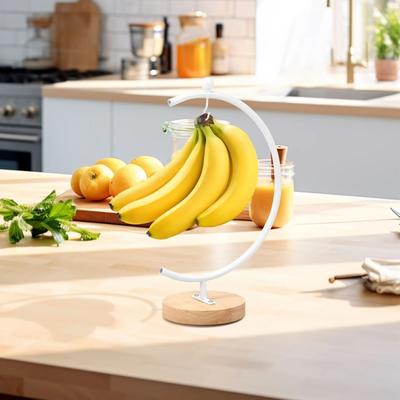
Uplift Essentials Creative Moon Shaped Architectural Banana Holder Rack whitePlacing a fresh bunch of bananas flat on your kitchen counter or tossing them inside a crowded fruit bowl is the primary cause of premature spoiling. When bananas rest directly against hard surfaces, their own weight compresses the delicate flesh...66,97 $*Shipping: 0,00 $Secure redirect to the provider
-
Flos Architectural LED Pathway Light Pointbreak Bollard 2, Black, Aluminium, Design, Outdoor lightsLED pathway luminaire Pointbreak Bollard 2 is a high-quality outdoor luminaire made of aluminum and polycarbonate, which creates an asymmetrical light distribution. Its surface treatment and UV-resistant diffuser make it a robust outdoor element that can withstand weather conditions. Its warm white light is emitted downwards and is absolutely glare-free. It is installed directly on the ground.767,44 £*Shipping: 4,99 £Secure redirect to the provider
-
What are architectural visualizations?
Architectural visualizations are digital representations of architectural designs, typically created using computer software. These visualizations can include 3D renderings, animations, and virtual reality experiences that help to convey the look and feel of a building or space before it is constructed. They are used by architects, designers, and developers to communicate their ideas to clients, investors, and other stakeholders, and to help them visualize the final product. Architectural visualizations can also be used for marketing and promotional purposes to showcase a project to potential buyers or tenants. **
-
What are architectural structures?
Architectural structures are physical constructions designed and built by architects and engineers to serve a specific purpose, such as providing shelter, support, or aesthetic appeal. These structures can include buildings, bridges, towers, and other man-made forms that are designed to withstand various forces, such as gravity, wind, and seismic activity. They are often characterized by their unique design, materials, and construction methods, and can have a significant impact on the surrounding environment and community. **
-
What is architectural fraud?
Architectural fraud refers to the intentional misrepresentation or deception by an architect in the design, construction, or renovation of a building. This can include falsifying documents, misrepresenting qualifications, or providing inaccurate information about the materials or methods used in the construction process. Architectural fraud can have serious consequences, including compromising the safety and integrity of a building, as well as legal and financial repercussions for the architect and their clients. It is important for clients to thoroughly vet and research architects before hiring them to ensure they are reputable and trustworthy. **
-
Which polarizing filter and neutral density filter do you recommend for architectural photography?
For architectural photography, I recommend a circular polarizing filter to reduce glare and reflections on glass and water surfaces, as well as to enhance the contrast and saturation of the sky and building exteriors. As for neutral density filters, I suggest a 3-stop or 6-stop ND filter to control the amount of light entering the camera, allowing for longer exposures to capture movement in the scene or to achieve a shallower depth of field in bright lighting conditions. These filters can help improve the overall quality and impact of architectural photographs. **
* All prices are inclusive of VAT and, if applicable, plus shipping costs. The offer information is based on the details provided by the respective shop and is updated through automated processes. Real-time updates do not occur, so deviations can occur in individual cases. ** Note: Parts of this content were created by AI.